Expert Tips for Collaborating with Law Enforcement on Safety Initiatives


Building Strong Relationships
Collaborating with law enforcement on safety initiatives can be highly beneficial for communities. Establishing strong relationships is the first step. Engage in regular communication and ensure transparency in all your interactions. Trust is key when working together to create safer environments.
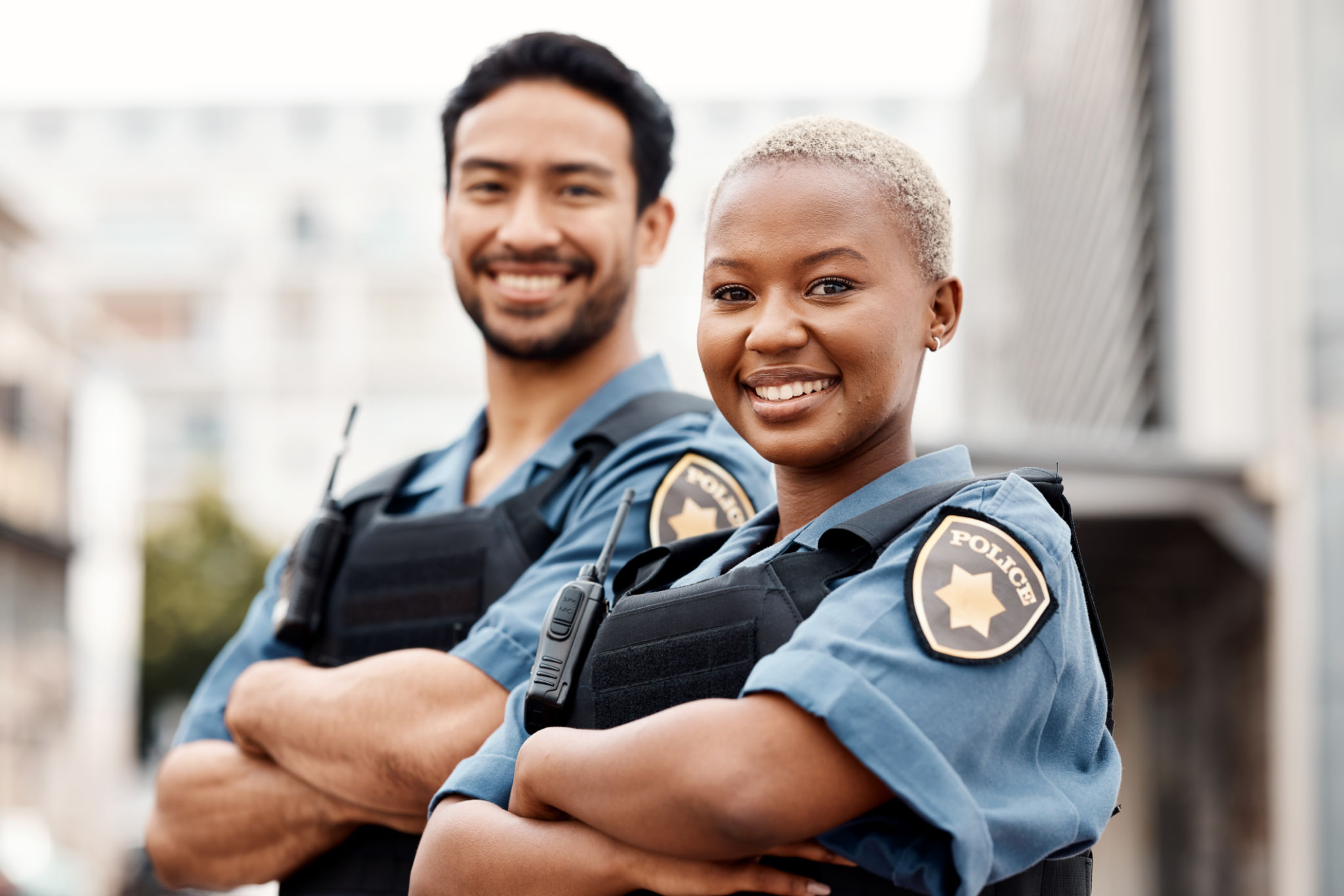
Arrange meetings to discuss mutual goals and objectives. This helps in aligning expectations and determining the scope of your collaboration. A structured approach, where both parties understand their roles, can make a significant difference in the outcomes of your safety initiatives.
Understanding Community Needs
To effectively collaborate with law enforcement, it's crucial to understand the specific safety needs of your community. Conduct surveys, host town hall meetings, and actively listen to residents' concerns. Gathering this information will enable you to tailor safety initiatives that address real issues.
Law enforcement agencies often have access to data and insights that can be invaluable in this process. Request access to relevant reports and statistics to better understand crime trends and hotspots. This data-driven approach can lead to more targeted and effective safety measures.

Implementing Collaborative Strategies
Once you have a clear understanding of community needs, work together to develop strategies that leverage the strengths of both parties. Consider forming joint task forces or committees that include law enforcement officers and community representatives. This collaborative approach ensures diverse perspectives and expertise.
Utilize technology to enhance your initiatives. Tools like social media, community apps, and digital platforms can facilitate communication between law enforcement and community members. This not only improves transparency but also encourages active participation from residents.

Training and Education
Providing training and educational opportunities is another important aspect of successful collaboration. Organize workshops and seminars where law enforcement can share their expertise on safety protocols, while community members can offer insights into local culture and norms.
Furthermore, consider implementing educational programs that teach residents about crime prevention techniques. Empowering the community with knowledge can lead to proactive measures and a stronger partnership with law enforcement.
Evaluating and Adapting Initiatives
Regular evaluation of your safety initiatives is essential to ensure their effectiveness. Set up metrics and KPIs to measure success, and be open to feedback from both law enforcement and the community. This iterative process allows for continuous improvement and adaptation to changing circumstances.
Host follow-up meetings to discuss progress and challenges. Celebrate successes and address any issues that arise promptly. By maintaining an open dialogue, you can build a resilient partnership focused on achieving long-term safety goals.