How to Prepare for Law Enforcement Careers in Illinois


Understanding the Role of Law Enforcement in Illinois
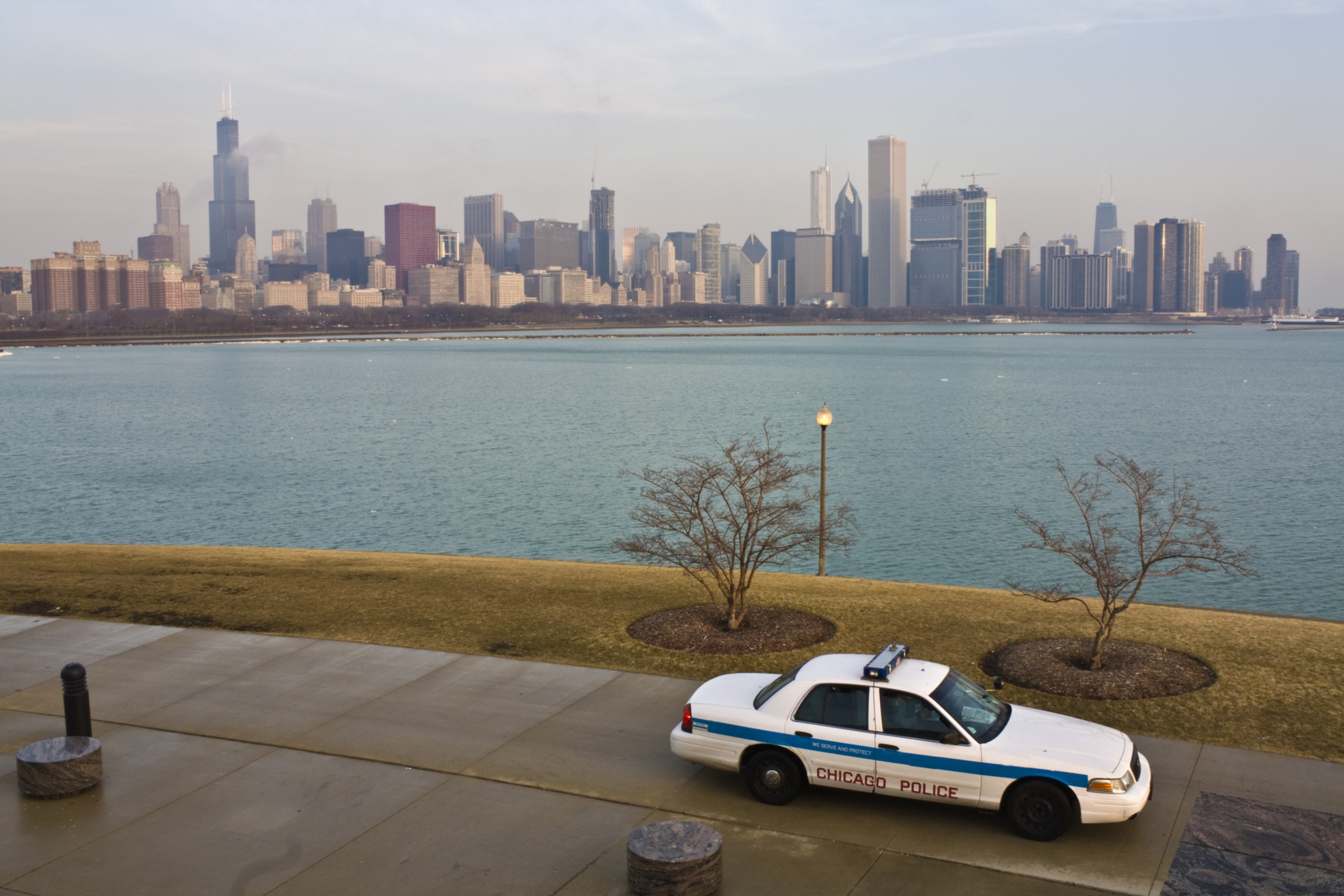
Pursuing a career in law enforcement in Illinois can be both rewarding and challenging. With a strong focus on community safety and justice, law enforcement officers play a crucial role in maintaining peace and order. If you're considering this career path, it's important to understand the specific requirements and expectations within the state.
Meeting the Basic Requirements
Before applying, familiarize yourself with the basic qualifications necessary to become a law enforcement officer in Illinois. Generally, candidates must be U.S. citizens, at least 21 years old, and possess a valid driver’s license. An important requirement is having a clean criminal record, as background checks are thorough and essential.
Educational requirements vary, but many agencies prefer candidates with at least an associate's degree in criminal justice or a related field. Some police departments may accept a high school diploma combined with military or law enforcement experience.
The Application Process
The application process for law enforcement positions in Illinois is rigorous. It typically includes written exams, physical fitness tests, and psychological evaluations. Each test is designed to ensure candidates are prepared for the physical and mental demands of the job. It's crucial to prepare thoroughly for each stage of the process.

After passing these initial tests, candidates will often undergo a series of interviews. These interviews assess communication skills, ethical judgment, and problem-solving abilities. Demonstrating strong interpersonal skills and a commitment to community service can significantly enhance your candidacy.
Training and Education
Once accepted into a law enforcement agency, recruits must complete a police academy training program. Training covers a wide range of topics, including criminal law, firearms proficiency, emergency response, and conflict resolution. In Illinois, the academy typically lasts around 12 to 14 weeks.

Continuing education is a key component of a successful law enforcement career. Officers are often required to complete additional training throughout their careers to stay updated on the latest laws and policing techniques. This commitment to lifelong learning ensures officers can effectively serve their communities.
Developing Essential Skills
Beyond formal education and training, certain skills are essential for a successful career in law enforcement. Strong communication skills, empathy, and resilience are crucial. Officers must be able to interact with diverse communities, handle stressful situations, and make quick, informed decisions.
Problem-solving and critical thinking are equally important. Law enforcement officers frequently encounter complex situations requiring innovative solutions. Developing these skills can enhance your ability to perform effectively in the field.
Networking and Career Advancement
Networking within the law enforcement community can provide valuable opportunities for career advancement. Joining professional organizations and attending industry conferences can help you connect with experienced officers and mentors. These relationships can offer guidance and open doors to specialized roles or leadership positions.

As you progress in your career, consider pursuing specialized training in areas such as forensic science, cybercrime, or community policing. Specializing can lead to new opportunities and enhance your ability to make a positive impact in your community.