Myth-Busting: Common Misconceptions About Law Enforcement in Illinois


Understanding the Role of Law Enforcement
Many people have misconceptions about law enforcement, especially in Illinois. These misunderstandings can create unnecessary tension and distrust between the public and police. It's essential to address these myths to foster a more informed and cooperative community.
One common myth is that police officers are constantly involved in high-speed chases or intense crime-fighting scenarios. In reality, much of their work involves routine tasks such as paperwork, community policing, and responding to non-violent incidents. Understanding the true nature of their duties can help set more realistic expectations.
Myth: All Police Departments Are the Same
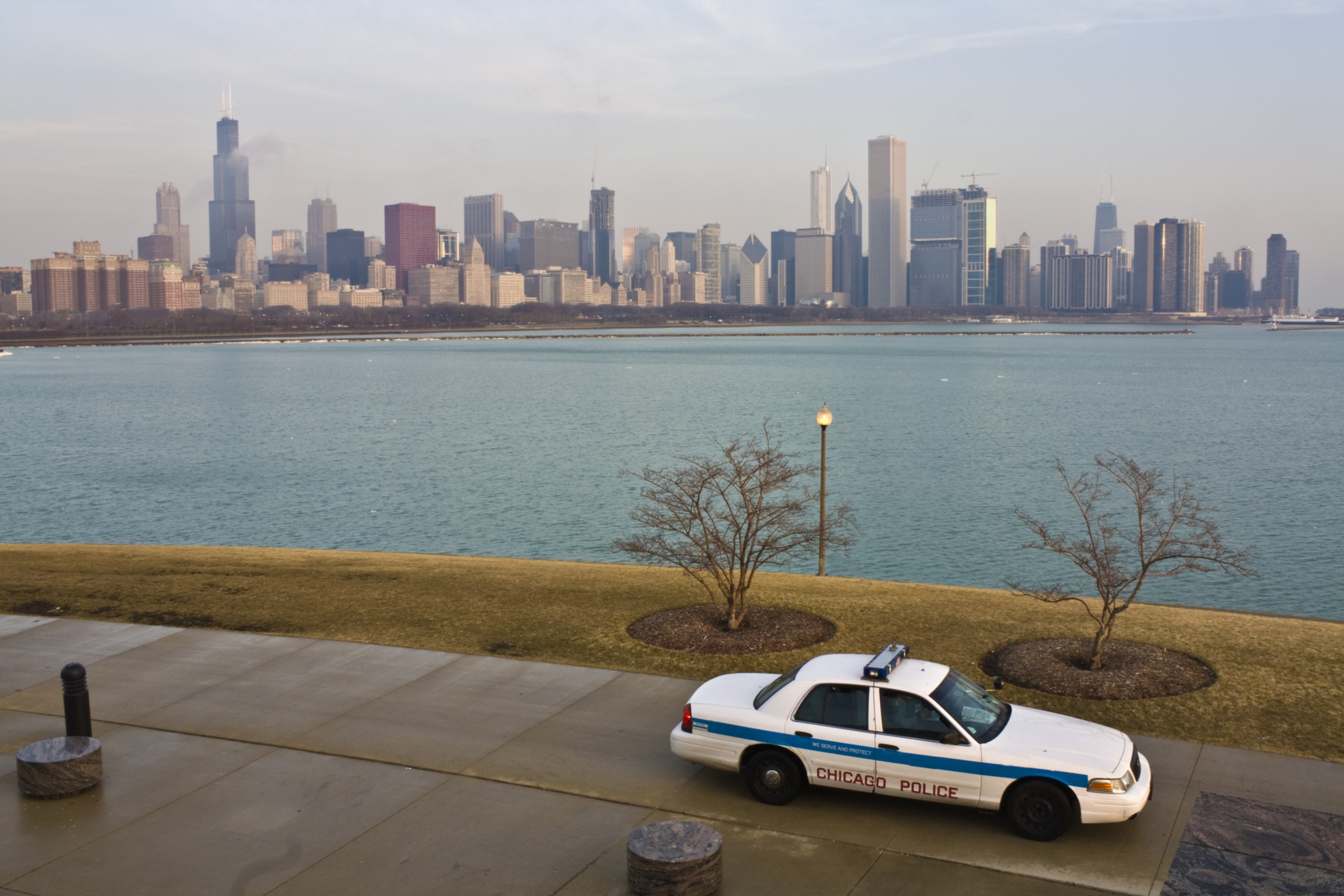
Another misconception is that all police departments operate the same way. In Illinois, police departments vary significantly in size, resources, and policies. Urban departments like those in Chicago face different challenges compared to rural departments. Each department tailors its approach to meet the unique needs and concerns of its community.
It's important to recognize these differences when discussing law enforcement. By doing so, we can appreciate the diverse methods employed to ensure public safety across the state.
Myth: Police Officers Are Not Accountable
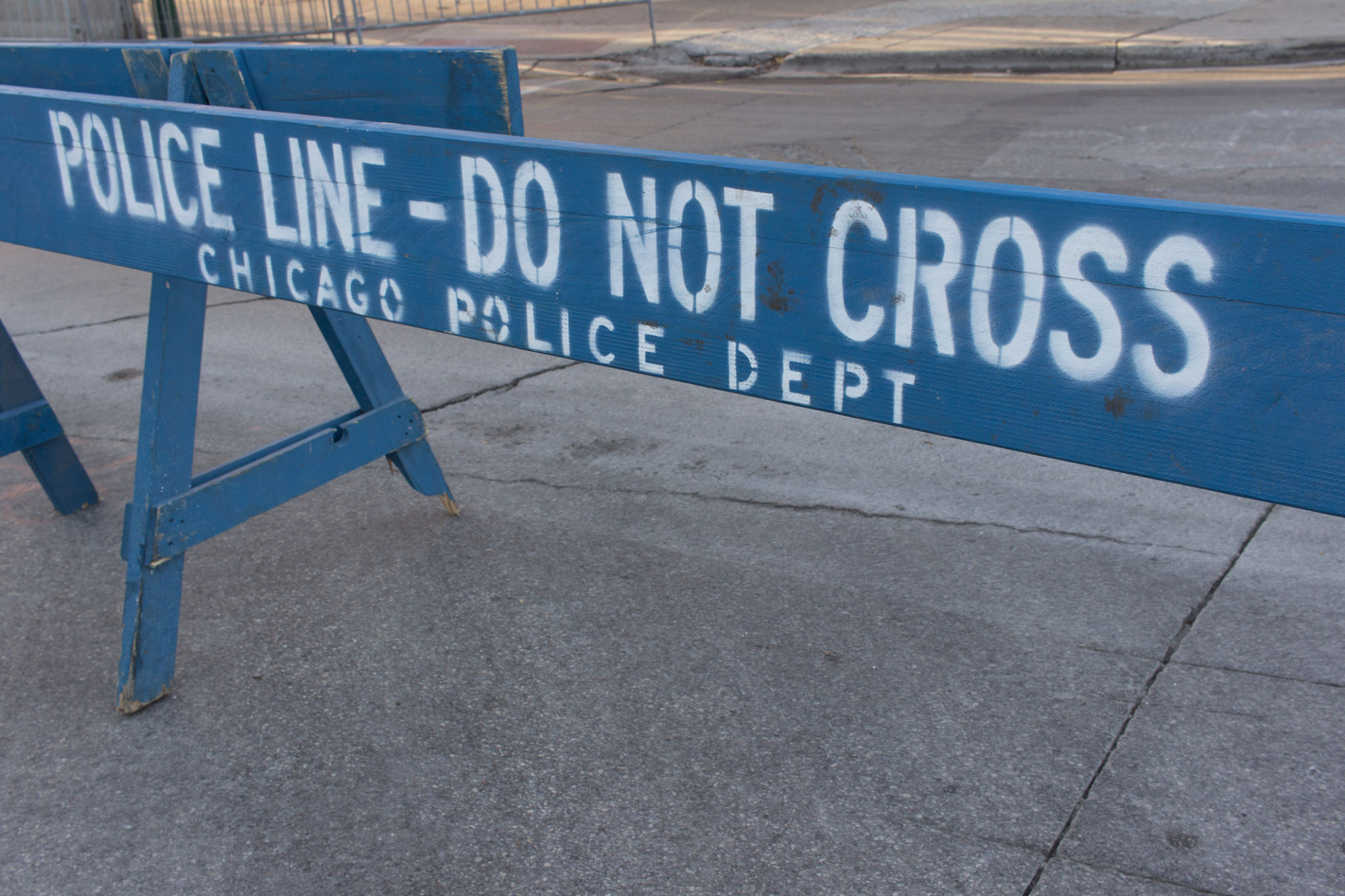
Some people believe that police officers face little to no accountability for their actions. In Illinois, this is far from true. There are multiple layers of oversight, including internal affairs divisions, civilian review boards, and state-level investigations. These mechanisms are in place to ensure that officers adhere to the law and departmental policies.
Moreover, body cameras and other technologies have increased transparency, providing objective records of interactions and incidents. This technological advancement plays a critical role in maintaining accountability within law enforcement.

Myth: Crime Rates Are Solely the Responsibility of Police
Crime rates are often attributed solely to police effectiveness, but this view overlooks the complex factors contributing to crime. Economic conditions, education, and community programs all play a role in influencing crime rates. Police work is just one part of a broader ecosystem aimed at maintaining safety and security.
Community involvement and support can significantly impact public safety. Programs that promote education, provide job opportunities, and foster community engagement are essential components of a comprehensive approach to reducing crime.
The Importance of Community Engagement
Engaging with local communities is crucial for law enforcement agencies in Illinois. Building trust through outreach programs, open forums, and community events helps create a positive relationship between officers and residents. These efforts contribute to better communication and cooperation, ultimately enhancing public safety.
By debunking common myths about law enforcement, we can pave the way for a more informed and supportive community. Understanding the realities of policing in Illinois allows us to appreciate the challenges officers face and the vital role they play in maintaining peace and order.