Understanding Law Enforcement Regulations in Cook County


Introduction to Law Enforcement Regulations in Cook County
Understanding the regulations governing law enforcement in Cook County is essential for both residents and those working within the system. These rules are designed to ensure transparency, accountability, and the safety of both officers and the community. By delving into these regulations, one gains insight into the intricate workings of policing in this area.
The Structure of Law Enforcement in Cook County
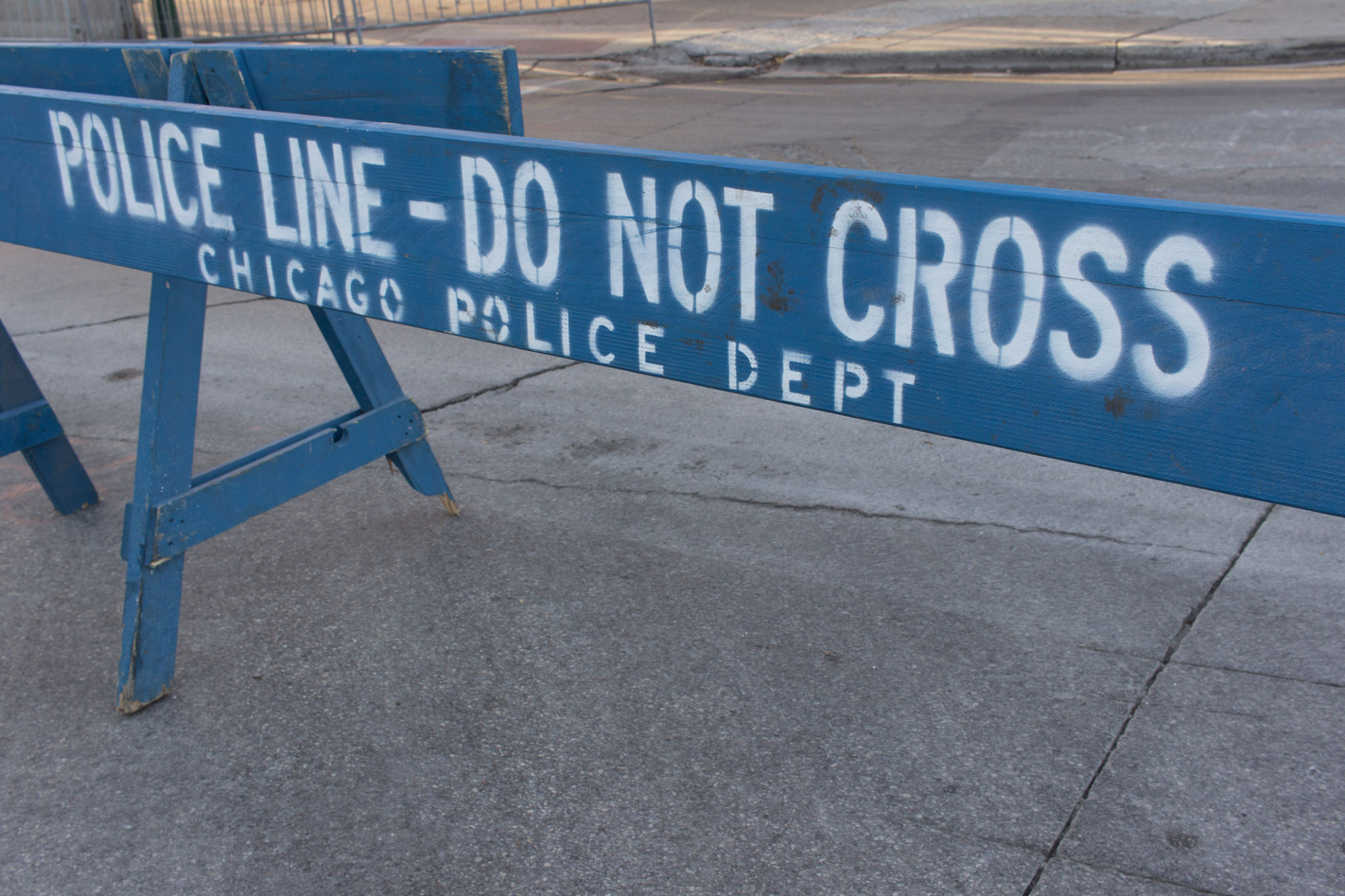
Cook County's law enforcement structure is comprised of several key agencies, each with distinct responsibilities. The most prominent include the Cook County Sheriff's Office, which oversees the county jail and provides policing for unincorporated areas, and the Chicago Police Department, serving the city itself. Additionally, various municipal police departments operate within the county's borders.
Each of these entities operates under specific regulations that dictate their procedures, use of force, and community interaction protocols. These rules are set at both the state and county levels, ensuring consistency and fairness across the board.
Key Regulations Governing Policing
Several critical regulations impact how law enforcement operates in Cook County. These include:
- Use of Force Policies: Guidelines on when and how force can be applied, focusing on de-escalation techniques.
- Body Camera Requirements: Mandates for the use of body-worn cameras to enhance transparency.
- Community Policing Initiatives: Programs aimed at building trust between law enforcement and the community.

Training and Accountability
Training is a cornerstone of effective law enforcement. In Cook County, officers undergo extensive training to handle a variety of situations, from routine traffic stops to more complex incidents involving mental health crises. This training is continuously updated to reflect new laws and societal expectations.
Accountability is also a major focus, with oversight bodies such as civilian review boards and internal affairs units playing crucial roles. These entities investigate complaints and ensure that officers adhere to established regulations.
Challenges and Reforms
Despite the robust regulatory framework, Cook County law enforcement faces several challenges. These include addressing systemic bias, maintaining public trust, and adapting to technological advancements. Efforts are ongoing to reform practices and procedures to better serve the community.

The Role of the Community
The community plays a vital role in shaping law enforcement practices. Public input is often sought in the development of policies, and community members are encouraged to participate in forums and committees. This collaboration helps ensure that policing strategies are aligned with the values and needs of the community.
Conclusion
Understanding the regulations that govern law enforcement in Cook County is crucial for fostering a safe and just society. These rules are designed to balance the needs of law enforcement with the rights of citizens, ensuring that all parties are protected and respected.
As these regulations continue to evolve, staying informed and engaged is key to supporting effective and equitable policing practices.